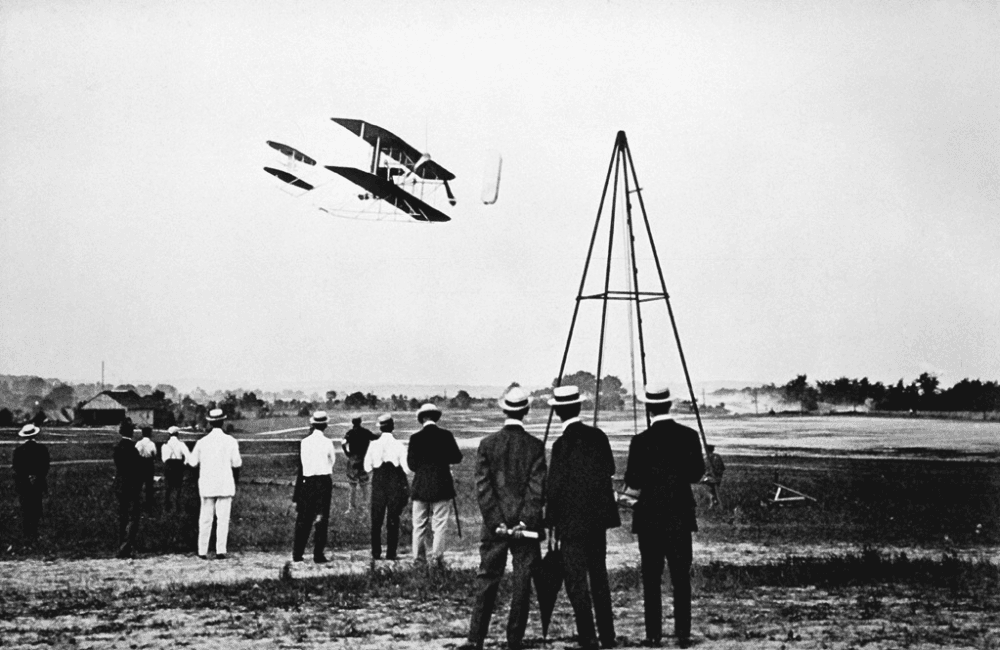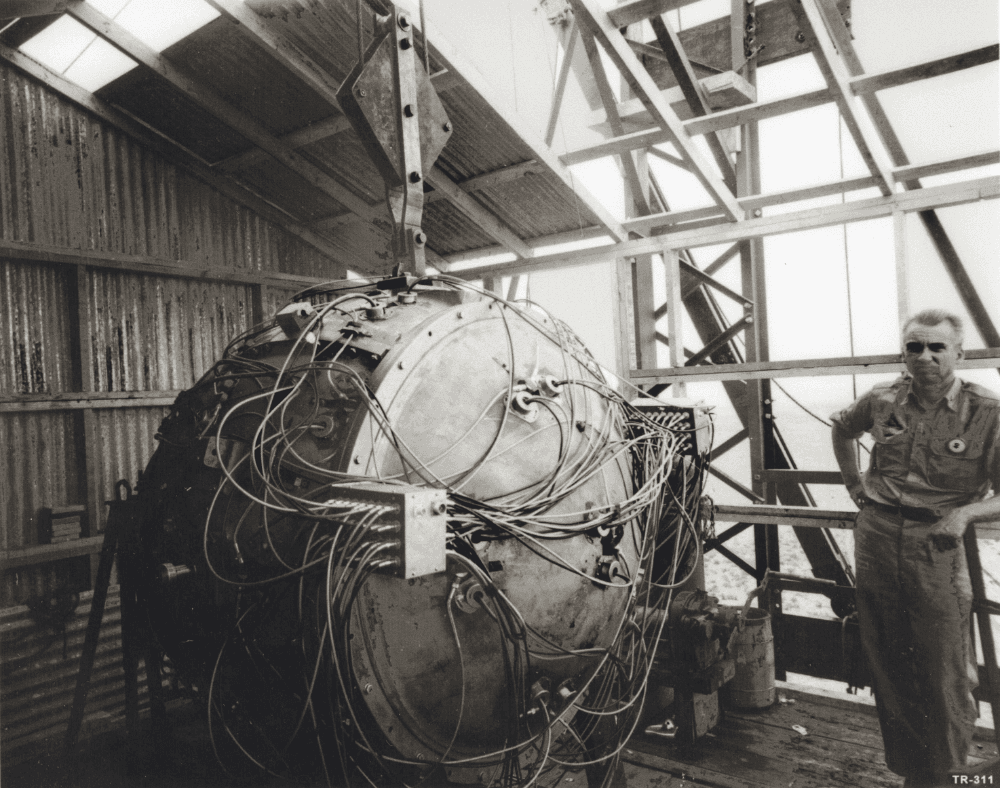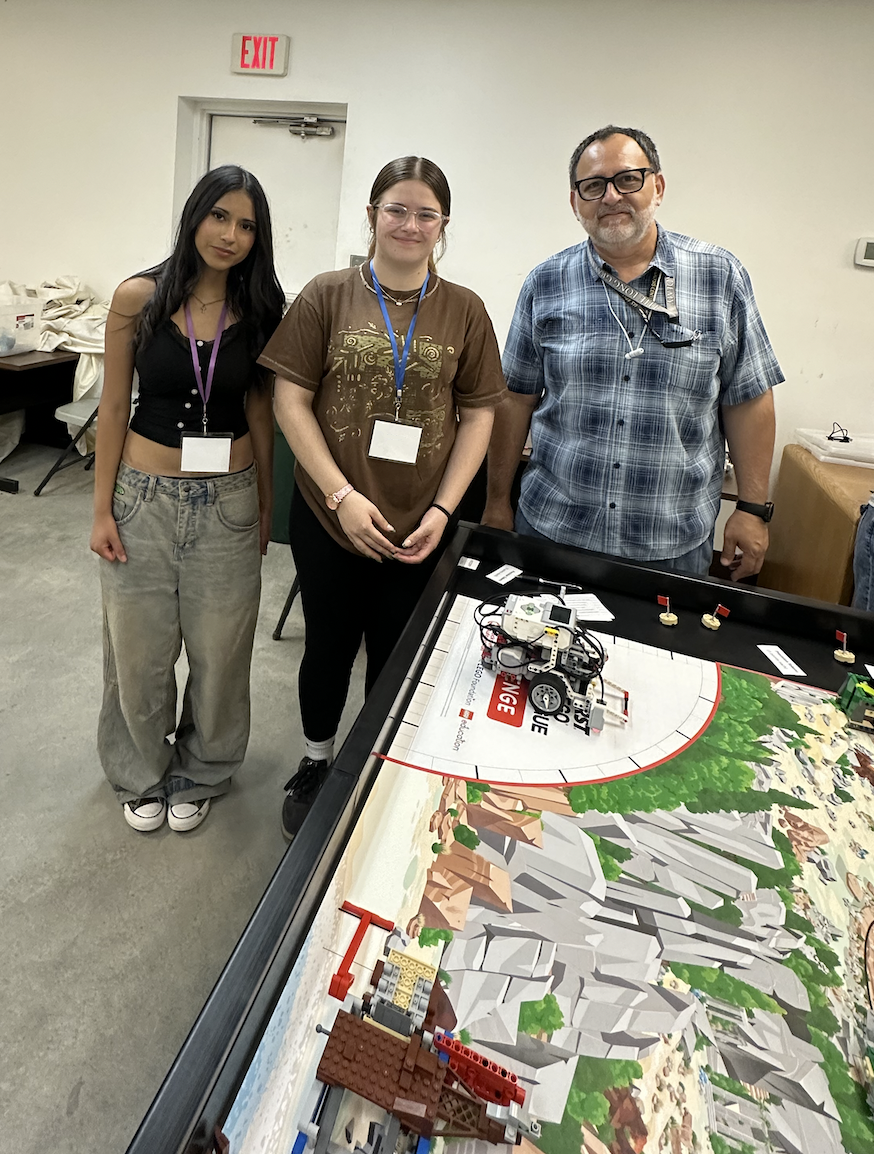

The U.S. military has a long history of scientific research, and of research whose consequences reached far beyond it.
Disease killed more American soldiers during the Spanish-American War than combat did, and when yellow fever continued to spread through the Army’s occupation forces in Cuba, the Surgeon General appointed a board to determine how to prevent the disease’s spread. Major Walter Reed led that board, known as the U.S. Army Yellow Fever Commission, from 1900. Its experiments confirmed the theory of Cuban physician Carlos Finlay, who had argued since 1881 that mosquitoes carried the disease, and disproved the prevailing belief that it spread through contaminated clothing and bedding. The commission’s findings made possible the mosquito control programs that ended yellow fever epidemics in Cuba, in the United States, and along the route of the Panama Canal.
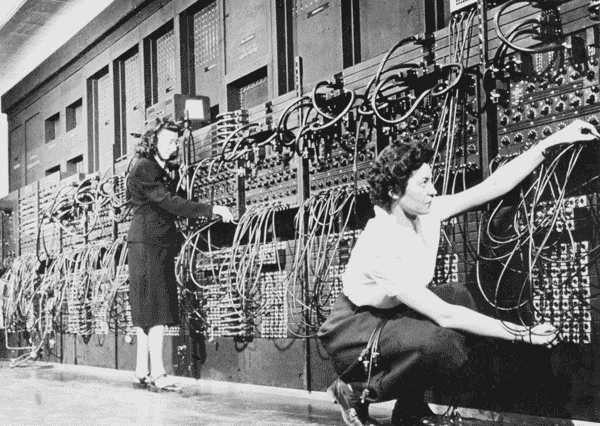
Four decades later, during the Second World War, the Army Ordnance Corps funded the construction of ENIAC, the first general-purpose electronic computer, built to calculate artillery firing tables and now recognized as a foundation of modern computing.
Neither was an isolated case. Both belong to a longer history of collaboration between military and civilian researchers, demonstrating how Army investments in science and technology have produced advances with benefits far beyond their original military-related purpose. They also underscore the importance of sustained investment in research, where discoveries cannot always be anticipated and practical applications may emerge in unexpected ways. By supporting scientific exploration over time, the Army helps lay the groundwork for breakthroughs that strengthen national security, advance innovation, and benefit society as a whole.